
In today’s industrial landscape, packaging is more than just a container—it’s a critical part of your supply chain. From protecting goods during transport to supporting operational efficiency, the right packaging solution can make a big difference. One of the most widely used and effective options is plastic flexible packaging.
Known for its strength, adaptability, and cost-efficiency, flexible packaging is used across industries like manufacturing, food processing, agriculture, and logistics. This guide will walk you through what plastic flexible packaging is, the different types available, why it’s beneficial, and how to choose the right format for your industrial needs.
What Is Plastic Flexible Packaging?
Plastic flexible packaging refers to any non-rigid packaging made from plastic film, sheet, or laminate. It easily conforms to the shape of the product and comes in formats like bags, pouches, wraps, and film rolls.
Common Materials Used:
- Polyethylene (PE) – A highly flexible, moisture-resistant material commonly used in plastic bags, liners, and film.
- Polypropylene (PP) – Offers better heat resistance and clarity, often used in food-grade films.
- Multilayer Laminates – Combine different materials for added strength and barrier protection, often used in high-performance industrial packaging.
These materials are selected based on the specific needs of the product—whether that’s load protection, product freshness, or compatibility with packaging machinery.
Types of Plastic Flexible Packaging Used in Industry
Industrial packaging demands strength, efficiency, and adaptability. Here are some of the most commonly used plastic flexible packaging types designed to meet various needs:
1. Flat Plastic Bags
- Side Seal Bags – Lightweight and suitable for general-purpose packaging.
- Bottom Seal Bags – Offer better load-bearing strength for heavier items.
- Gusseted Bags – Provide extra capacity for bulk or irregularly shaped products.
2. Rollstock Film
Rollstock is continuous plastic film on a roll, used with automated form-fill-seal (FFS) machines. It is widely used for high-speed packaging lines and supports both vertical and horizontal configurations.
3. Stretch Hood Film
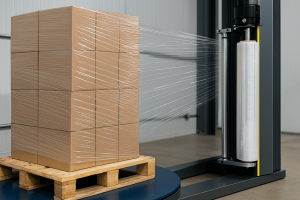
Stretch hood films are used to secure goods on pallets. They stretch over the load and contract to hold it tightly in place. This method is efficient, protective, and improves load stability without the need for heat.
4. Shrink Film
Shrink film is loosely applied and then heated to shrink tightly around the product. It’s a great choice for bundling multiple items or covering oddly shaped products during storage or shipping.
5. Heavy-Duty Industrial Bags
For demanding applications—like packaging chemicals, fertilizers, or hardware—heavy-duty plastic bags offer high strength, tear resistance, and durability. These are designed to handle tough conditions while maintaining product integrity.
Advantages of Plastic Flexible Packaging in Industrial Operations
Flexible packaging offers several benefits over rigid alternatives, making it a smart choice for industrial use:
1. Lightweight & Cost-Efficient
Flexible plastic packaging is much lighter than rigid packaging, which reduces transportation costs and fuel usage. It also lowers handling time and labor requirements.
2. Space-Saving Design
Because it can be rolled or flattened, flexible packaging takes up less space in storage and shipping, helping optimize warehouse capacity.
3. High Durability
Industrial-grade films and bags are engineered to resist punctures, tears, and environmental exposure, making them reliable for heavy or sharp products.
4. Customizable for Different Needs
From thickness and barrier properties to printing and sizing, flexible packaging can be tailored to suit a variety of industrial applications.
5. Machine Compatible
Many formats are optimized for automated packing machines such as FFS or vacuum sealers, which improves packaging speed and consistency.
6. Eco-Friendly Options
Options like downgauged (thinner but stronger) film, recyclable mono-materials, and lower material usage contribute to sustainability goals.
Common Use Cases Across Industrial Sectors
Plastic flexible packaging is used in nearly every industrial setting. Here are a few examples of where it makes a strong impact:
1. Manufacturing and Engineering Components
In manufacturing, there are countless small parts—like screws, bolts, bearings, or electronic parts—that need to be safely packed and organized. Flexible plastic bags make it easy to sort, label, and protect these items.
For more sensitive components such as electronic chips or metal parts, special types of plastic bags are used. These include:
- Packaging for small components such as bolts, bearings, and machine parts
- Corrosion-resistant and anti-static plastic bags for sensitive electronics or metal items
2. Food Processing and Distribution
The food industry relies heavily on flexible packaging for both bulk storage and final product distribution. Common applications include:
- Bulk ingredient bags: These are used to pack large quantities of dry goods like flour, sugar, grains, and spices for commercial kitchens or manufacturers.
- Heat-sealed or vacuum-sealed film: Used for processed foods like frozen meals, meats, or ready-to-cook items. These films help keep food fresh for longer and protect against contamination.
3. E-Commerce and Logistics
Flexible plastic packaging plays a major role in the e-commerce and logistics sectors, where efficiency, protection, and presentation are important. Common uses include:
● Polybags and mailers: Lightweight yet durable, these are used to ship clothing, accessories, electronics, and small goods. They’re easy to seal and label.
● Stretch hood film and pallet wrap: These are used to secure large shipments on pallets. They help prevent movement during transit and protect goods from dust, dirt, and moisture in storage or transport.
Key Factors to Consider When Selecting Flexible Packaging
When selecting the right type of plastic flexible packaging for your operations, consider the following:
1. Product Type and Handling
- Is the item heavy, sharp, irregular in shape, or sensitive to moisture or air?
- Will it be packed manually or through automated systems?
2. Protection Requirements
- Consider the need for barriers against moisture, oxygen, light, or chemical exposure.
- For food or pharmaceutical use, compliance with safety and hygiene standards is critical.
3. Machine Compatibility
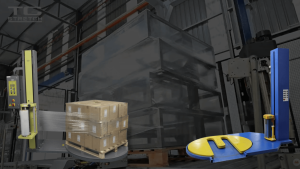
- Ensure your packaging film or bags are suitable for your filling equipment—whether FFS, vacuum sealers, shrink tunnels, or stretch hood machines.
4. Branding and Labeling
- Is printing or branding needed for batch tracking or inventory management?
- Custom prints, barcodes, and material finishes can be included for both functional and branding needs.
5. Storage and Transport Conditions
- Will the product be stacked, palletized, or exposed to temperature extremes during shipping?
- Select packaging with adequate strength and flexibility to withstand these conditions.
6. Sustainability Goals
- Consider recyclable materials or films with post-consumer recycled content.
- Downgauging (using thinner film) can also reduce material usage while maintaining strength.
Conclusion
Plastic flexible packaging plays an essential role in industrial supply chains. With options like rollstock, pallet film, shrink wrap, and heavy-duty bags, it provides a reliable and efficient way to store, protect, and ship goods across various industries.
By understanding the packaging types, material options, and performance characteristics, you can choose a solution that fits your operational needs, supports sustainability, and boosts efficiency.
Whether you’re packing food ingredients, machine parts, chemicals, or bulk goods, flexible packaging delivers the protection and performance required in today’s industrial world.