How to Make Your Food Last Longer in the Refrigerator

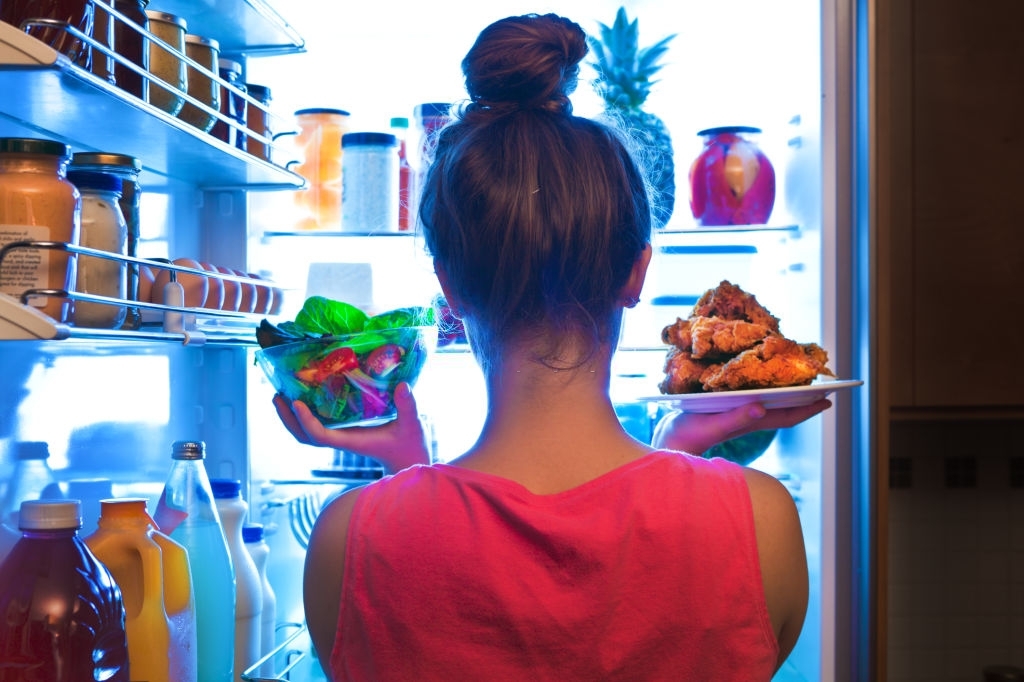
A young woman standing in front of the refrigerator

A young woman standing in front of the refrigerator

A refrigerator is more than simply a box that keeps food cold. It’s a high-tech device that employs sophisticated controls to keep humidity, light, and temperature at optimum levels for food storage.

Food wrap is essential for keeping food fresh, safe, and odourless until it’s time to eat. Mould and mildew can spread if foods aren’t stored correctly, so odours are only one aspect of the problem.

It is possible to retain nutrients and guarantee that meals do not grow stale by learning to store foods in the correct areas of the fridge using plastic food wrap.

Beyond helping to store your food, food wraps also give your food a beautiful look in the refrigerator.

For example, if you are into selling packaged goods on store shelves, Thong Guan’s Klarity plastic food wrap catches the eye of passers-by and is extremely noticeable! It’s also great for branding because it’s so transparent.


Proper Areas to Store Food in the Refrigerator

1. Top and Middle Shelves

The top and middle shelf are perfect for ready-to-eat foods like dairy products, ready meals and packaged foods, leftovers, cooked meats, and prepared salads.

To avoid infection, keep everything covered with Thong Guan Klarity plastic wrap or in sealed containers.

Ready-to-eat foods are kept on the top shelf of the refrigerator, away from raw foods, to prevent dangerous bacteria from spreading from raw to cooked meals.


2. Bottom Shelf

To prevent raw meat, poultry, and fish from contacting or leaking onto other items, place them in sealed containers or plastic wrap.

To avoid cross-contamination, raw meats should always be kept at the bottom of the fridge.

Make sure each item is wrapped or in a sealed container to avoid cross-contamination with other foods.


3. Salad and Fruit Drawer

The salad drawer is perfect for fruits, vegetables, and salads that have been washed and dried before being stored. To keep your fruit, veggies, and salad safe from contamination, wrap them in paper or plastic with air holes.

To prevent salads and herbs from drying out and to keep them fresher for longer, you can wrap them in a wet paper towel before storing them.


Here’s What to Do to Make Your Food Last Longer in the Refrigerator

  • Check to see if your refrigerator is keeping items cold enough. Set your refrigerator to 4 degrees Celsius or below. If you’re not sure, get a fridge thermometer to make sure everything is in top condition.
  • Make sure your refrigerator isn’t overloaded. This will generate heated pockets, which may cause food to spoil more quickly.
    Use the additional humidity in the crisper drawers to your advantage. Keep leafy greens and other vegetables in the enclosure that will benefit from the excess moisture that accumulates. Set the drawer’s dial to the high-humidity setting and your fruits and vegetables will last longer.
  • Food packaging should not be reused. Transfer your food especially proteinous foods to a fresh, dry airtight container or plastic food wrap once opened.
  • Familiarize yourself with the recommended period for keeping food, including condiments, in your refrigerator. Some foods have a shorter shelf life than you would expect.

Tip: To keep track of when you opened the jars, use a roll of tape and a permanent marker to date them. This will serve as a reminder to consume them so they don’t go stale before their time.


In a Nutshell

Thong Guan plastic food wrap isn’t just for covering food bowls. Plastic wrap can be used in a variety of ways. Fruits, such as bananas, can be wrapped to keep them fresh.

To store herbs and leafy vegetables like lettuce in the fridge, wrap them in plastic wrap. If you are making sandwiches but don’t want to keep them in a container, plastic wrap is great for storing sandwiches.

You can also prevent bottle leaking by covering the mouth of the bottle with plastic wrap before placing the cap. Fruits like cherries, berries, and grapes can also be wrapped to avoid freezer burn.

It will keep the food fresh for a longer period. Wrapping your meals and keeping them at a temperature below 40 degrees Fahrenheit will help your food stay safer for extended periods by inhibiting the growth of bacteria.
5 Plastic Alternatives When Running into Resin Shortages

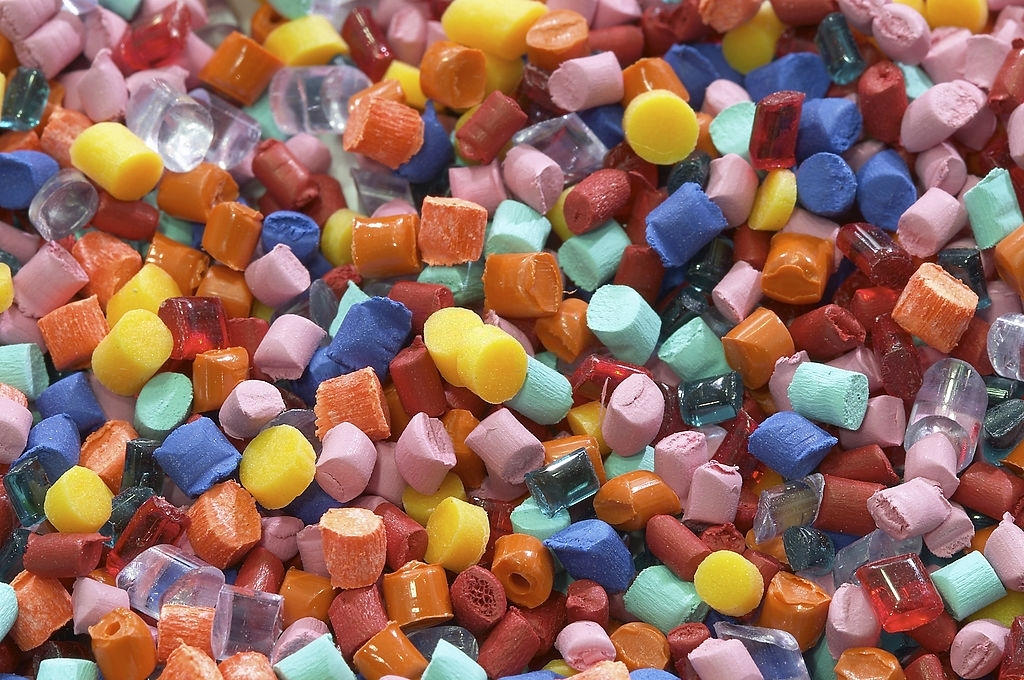
plastic resin

plastic grains

The COVID-19 pandemic has massively disrupted the global supply chain. As a result, more and more organizations are looking for reliable and efficient alternatives to plastics to overcome resin shortages.

As many companies are suffering from material shortages, it causes price fluctuations and adversely affects the production of plastic-based components.

The good news is that there has been a lot of innovation in material development processes, and more manufacturers are exploring alternatives to resins.

Whenever an industry faces challenges like material shortages, they have the opportunity to explore more options and optimize processes with the help of modern tools and technology.

Nowadays, many alternatives are available; they act as a reliable replacement for common plastics like polycarbonate.

Different types of plastic wraps and stretch wraps are now available that allow consumers and large-scale organizations to overcome shortages and continue with their business processes.

Following are the top 5 plastic alternatives to resin shortages:


1. Polysulfone (PSU)

This resin is a crystalline, translucent, pale-amber high-performance thermoplastic with reliable melting stability.

As a result, it is capable of being processed with the help of standard thermoplastic processing methods. PSU is a highly popular component often used in various types of plastic wrap.

PSU also has good chemical and hydrolytic stability, as well as exceptional mechanical, electrical, and thermophysical characteristics.

The resin’s properties combine to make it ideal for components such as plumbing components, sterilizable plastic parts for medical equipment, and membranes for water treatment, gas separation, and other applications.


2. Polyphthalmide (PPA)

Semi-aromatic polyamides, such as PPA, are frequently a less costly alternative to fully aromatic aramids. PPA has a mixture of aromatic and aliphatic groups.

It significantly decreases moisture absorption that leads to less dimensional changes and more stable characteristics.

The material is ideal for goods that must be exposed to harsher chemicals and temperatures over extended periods of time.

Motor components, coolant pumps, bearing pads, resonators, and other items are examples of typical uses.


3. Polyphenylene sulfide (PPS)

PPS has a high melting point and low solubility, that that’s why it requires specific processing to make components out of it.

However, its aromatic ring structure gives it excellent heat and chemical resistance, good dimensional stability, and high tensile and structural strength.

PPS is a commonly utilized polyphenylene because of its flame-retardant characteristics and excellent electrical properties.

Electrical and electronic parts, as well as mechanical parts in vehicles and precision engineering, are common applications of PPS.


4. Polyphenylene oxide (PPO)

PPO has good tensile and impact strength and is resistant to a variety of chemicals, including steam and water.

However, it is susceptible to stress cracking, and that’s why it has limited applications. PPO has a problem with melt processing because it requires a high glass-transition temperature.

As a result, it’s frequently mixed with high-impact polystyrene (HIPS) for use in pump components, fan impellors, catalyst supports, and other applications in the automotive and electronics industries.

Moreover, it is also used in high-quality plastic wraps by large-scale organizations.


5. Syndiotactic polystyrene (SPS)

The plastic alternative, known as Xarec, is the first syndiotactic polystyrene (SPS) resin. The unique structure provides for a wide range of desirable features.

SPS is heat resistant, hydrolysis resistant, and chemically resistant to corrosion by different acids and alkalis, including vehicle oil and antifreeze. It also has a low specific gravity, which reduces part weight and cost.

SPS is a suitable material for electrical components in a variety of hybrid electric cars, as well as an important component in common household products. It’s also seen to be a good choice for the environment.

The Eco-friendliness of SPS is a major reason why it is becoming highly popular among customers as well as stretch wrap manufacturers.


The Bottom Line

Plant-based plastics, or bioplastics, are becoming very popular because they are biodegradable and do not reduce the quality of stretch wraps.

Now is the best time for companies and plastic wrap manufacturers to explore alternatives like the ones discussed above and implement the best solutions to overcome shortages.

There is no doubt that current shortages are causing great issues in the global supply. Plastic wraps are needed in every industry.

With things going back to some semblance of normalcy, these shortages will be overcome, and industries will continue operating with better and more efficient packaging options.

Tips and Methods to Reduce Plastic Pollution

plastic bottles

Plastic pollution isn’t new yet it has not stopped endangering wildlife and threatening the ecosystem.

According to UN Environment, around 8 million tons of plastics are deposited in the ocean each year, and this number is expected to reach 90 million tons by 2030. Plastic bags, one of the most common forms of finished plastics, are used for an average of 25 minutes yet it takes between 100 to 500 years to disintegrate.

What’s more, plastic wrap production accounts for 8% of the total oil produced in the world. A major concern is that by 2040, the plastic industry will be valued at a whopping $1.4 trillion, doubling its current value.

So how can we reduce plastic pollution? In this post, we highlight major tips and methods to fight the plastic crisis, including Thong Guan Industries Berhad’s LIVE GREEN Goals in helping save mother earth.

1. Replacing Disposable Plastics

From plastic wraps to straws, disposable cutlery, coffee cups, grocery bags and stretch films, over 90% of daily plastic items is used only once before they are disposed of. One can only imagine how many million plastics have ended up in the ocean.

Replacing disposable plastics is one way to minimize such excessive wastages. For instance, everyone should learn to replace disposable plastic items with reusable silverware, shopping bags, travel mugs, etc. before getting more accustomed to this habit.


2. Recycling Plastics

So far, around 14% of plastic packaging is recycled all through the world. Instead of disposing of plastic products, reusing or recycling them into useful products should be encouraged.

While some daily plastic items can be easily reused or recycled, certain plastics cannot be recycled at all. The following plastic types can be reused or recycled. You can easily identify a specific kind of plastic by simply checking the number on the bottom of the container.

Look for PET (used for liquid cleaner bottles and most beverages), PP (used for yoghurt, ketchup bottles, plastic cutlery, etc.), HDPE (used for milk, juice, etc.). These plastic types are recyclable and are accepted by most curbside recycling companies.


3. Awareness and Sensitization

lack of awareness and sensitization is also the reason for the plastic crisis. Consumers may not be fully aware of the health and safety hazards involved in plastic use and disposal.

Product standards, labelling requirements, and certifications can be designed to sensitize the public and enable more people to understand the negative impacts of single-use plastics.

Legislation on single-use plastic products can enable the higher use of reusable plastics.


4. Buy in Bulk

In addition to replacing disposable wrapping plastics with a reusable alternative, buying items in large quantities can help reduce plastic packaging.

This is amongst the easiest yet most impactful options for reducing plastic pollution. For instance, instead of buying toiletries from one store and hopping into another for the next purchase, consumers can consider buying in bulk.

This can drastically reduce the product-to-packaging ratio of items people tend to buy often.


Thong Guan’s Transformative Goals: LIVE GREEN

Going green isn’t simply a ‘trend’ at Thong Guan. It’s a way of life and a path to a more sustainable future. That is why we actively provide efficient solutions for businesses by offering a variety of eco-friendly packaging options.

Thong Guan has been committed to environmental conservation via its fundamental concept of RE:DUCERE:USE, and RE:CYCLE. Our green products are created to reduce waste and promote the conservation of natural resources.

We do business in such a way that it creates value for society and the environment. As a result, we continue to push for flexible packaging that can be readily recycled and reused.

Thong Guan is constantly collaborating with its partners to develop new, innovative concepts that support environmental efforts for its clients in the food & beverage, industrial & packaging, transportation & logistics, waste & energy, retail & eCommerce, hygiene & medical, and consumer packaging industries.

What are the Differences Between Shrink Wrapping vs. Vacuum Sealing?

shrink film on water bottles

shrink film on water bottles

Shrink wrap (also known as stretch film, shrink seal or stretch wrap) is a versatile polymer material used for the packaging of finished goods.

Vacuum seal, on the other hand, is a method of packaging that removes air from the package before sealing. Both shrink wrap and vacuum packaging are popular packaging techniques in the plastic industry.

However, shrink bags and vacuum pouches should not be confused as they have a similar appearance.

In this post, we are pleased to list the differences and the similarities between shrink wrapping and vacuum packaging.


Shrink Wrap vs Vacuum Seal: What are the Differences?

It is important to know the differences between shrink wrap and vacuum sealing. Here, we outline three notable differences. They are:


1. Absence of oxygen

This is one of the most obvious differences between these two types of packaging. Vacuum packaging uses an air nozzle to remove all or the majority of air or oxygen from a package before creating a tight seal.

The absence of oxygen is needed to naturally preserve consumable products and increase the shelf life of food products.

On the other hand, shrink wrapping requires heating the wrapping to create a tight seal which eventually traps air and oxygen inside it.

The conformed look of the shrink seal appears to be absent of oxygen, which isn’t correct. However, the package is not completely sealed from external elements.

This is because small vent holes are created within the shrink wrap to allow air to escape the package.


2. The kind of machinery used

Both shrink wrapping and vacuum sealing use heat sealing. However, the machinery used to carry out this process during production is entirely different.

For shrink wrapping, the machine used helps to heat the entire package to create the seal. Contrarily, only the sealed part requires heat for vacuum sealing.

Both shrink wrapping and vacuum sealing machines are not freely substitutable.


3. Thickness of materials

Stretch wrap and vacuum sealing use flexible packaging to enclose the packaged product. In vacuum packaging, the flexible packaging rolls or bags are much thicker than those used in shrink packaging.

Vacuum bags are typically four times thicker than most materials used for shrink packaging.


Shrink Wrap vs Vacuum Seal: What are the Similarities?

After learning the differences between shrink wrapping and vacuum packaging, it is important to also note the similarities between these two types of packaging.

The appearance of vacuum seal and shrink wraps are quite similar, which can lead to the misconception that they are the same. Check out these four similarities.


a. Transparent packaging

You are probably familiar with the glossy shrink films used to package bottles. Vacuum pouches and shrink bags use clear bags or plastic polymer film during packaging.

This allows the consumer to see the product inside the packaging. Although there are exceptions, the majority of heat shrink and vacuum packaged products use a clear film.


b. Used for food packaging

Both vacuum packaging and stretch film are often used for packaging foods and consumable items.


c. Heat sealing

Both types of packaging use heat sealing to enclose the product within the packaging. The open ends of the packages are sealed after inserting the product.

When heat is applied, both packaging shrinks tightly over whatever it is covering.


d. Conformed finish

In both types of packaging, an exterior film is used to conform to the shape of the product being packaged.


Final Thoughts

This post explains the similarities and differences between shrink wrapping and vacuum sealing.

Don’t let the similarities confuse you, both shrink wrapping and vacuum packaging are two different types of packaging handled by different pallet wrapping machines.

Ultimately, the primary difference between vacuum packaging and shrink wrapping is that vacuum pouches are perfect for meats, vegetables, and other perishable food items while shrink wrapping is ideal for water bottles, DVDs, and other non-food items.

The COVID-19 Vaccine’s Logistical Distribution Challenges in Malaysia

cold transport vaccine

Every country around the world is still reeling from the effects of the COVID-19 pandemic. Countries in Asia, including Malaysia, are also looking for modern solutions to overcome a variety of challenges in the distribution of COVID-19 vaccines.

Most countries have already signed a number of agreements with drug manufacturers to obtain vaccines as soon as possible. Yet, there are still many challenges to distributing the vaccines globally, especially in underdeveloped and developing countries. 

The primary distribution challenge is associated with the fact that the vaccines from companies such as Pfizer need extremely low storage temperatures to ensure the proper efficacy. This requirement has resulted in numerous large-scale logistical issues in Malaysia and many other countries.


Storage Issues

Once the government obtains a sufficient number of vaccines, the next challenge is to store them without compromising their quality and efficacy. It is important to have essential medical equipment such as glass vials, syringes, and containers that can be used to store and transport vaccines.

The authorities must spend a considerable amount of money on establishing large pharmaceutical warehouses equipped with the required tools to store COVID-19 vaccines. The use of stretch films or stretch wraps has also increased because this type of packaging material is typically sturdy enough to package the common medical equipment.

Temperature Control

Maintaining cold temperatures for COVID-19 vaccine storage and transportation is important. Low-income markets are facing challenges in this area because controlling the temperature of the end-to-end pipeline is extremely difficult.

The government is obtaining help from global logistics companies such as UPS and DHL to ensure proper solutions are implemented to deal with the logistical challenges of COVID-19 vaccine distribution.

Companies are also looking for modern and innovative packaging solutions other than the traditional stretch film or stretch wrap. One of the best cold-chain wrapping solutions is Thong Guan’s Nano Arctic Freezer Films.


Cold Chain Packaging with Thong Guan’s Nano Arctic Freezer Films

The following three factors impact cold-chain packaging solutions:

  1. If the product has to maintain particular physical qualities at a suitable temperature and other weather-related conditions, then cold-chain packaging solutions are useful in maintaining the ideal temperature. 
  2. The location at which the products are manufactured and where they are being transported heavily impacts the way a product is packaged. 
  3. The overall supply chain and distribution channels should be considered when choosing a suitable cold-chain packaging solution. 

The Thong Guan’s Nano Arctic cold-chain wrapping film is a highly useful packaging solution with maximum clarity and visibility, making it easier to examine the packaged products. Companies prefer it due to its reliable branding options.

Thong Guan’s Nano Arctic Freezer Films are beneficial in mitigating the challenges associated with COVID-19 vaccine distribution in Malaysia because it can keep the products’ temperature within a specific range.

Generally, cold-chain temperatures range from 2°C to 8°C for goods such as fruits and environmentally sensitive products. However, in the case of the vaccines, like the Pfizer-BioNTech COVID-19 vaccine, having a –70°C cold chain is important.

Thong Guan’s Nano Arctic Freezer Films are much better than conventional stretch films or stretch wraps because it has additional clinging properties that make it suitable in freezing temperatures for a variety of products, including the vaccine.

Benefits of Thong Guan’s Nano Arctic Freezer Film

Using Thong Guan’s Nano Arctic Freezer Film allows manufacturers and distributors to keep products fresh and protect their quality during the entire storage and transportation process. As a result, companies are also able to cut down on temperature-based damages. 

Moreover, Thong Guan’s Nano Arctic Freezer Films are significantly stronger than a simple stretch film as it provides exceptional support and protection to products like glass vials. Even when Thong Guan’s Nano Arctic film is used in temperature-controlled rooms, the film will firmly stick to each other. 

In a Nutshell

Thong Guan’s Nano Arctic Freezer Films are one of the most reliable and efficient cold chain wrapping solutions that are beneficial for extremely low-temperature refrigerants like the COVID-19 vaccines.

Companies can rely on the Nano Arctic freezer film to resolve a variety of distribution challenges. This makes Thong Guan’s Nano Arctic Freezer Films extremely useful to store and transport COVID-19 vaccines in Malaysia while maintaining vaccines stability.