Is Shrink Film Suitable to Wrap My Products?

Watermelon, papaya, melon, pineapple grape, fruit on the market shelf

Shrink films are often considered to be one of the best packaging materials because they allow you to keep your products safe and secure.

However, choosing the best solution can be challenging because there are several types of shrink films available on the market.

For businesses. it is important to conduct thorough research to make sure they are choosing the right type of stretch film to protect their products and improve the customer shopping experience. 

In this post, you will get to know about the major types of stretch films and their pros and cons. So, let’s get started:

Polyvinyl Chloride (PVC)

Pros

PVC is thin and light, which makes it significantly more affordable than the other shrink films.

It is capable of shrinking only in one direction and has high resistance to tears and punctures. PVC is quite attractive because it has a shiny texture

Cons

PVC is vulnerable to wrinkles and extreme softening at very high temperatures.Similarly, it can get too hard and brittle at very low temperatures.

Businesses also have to make sure that they are using PVC only with inedible products because it has chloride in it due to which can emit toxic fumes in heating and sealing.

This stretch film also has strict disposal standards to ensure proper disposal and sustainable development.

Polyolefin

Pros

Polyolefin has been approved by the regulatory organizations to package edible products because it does not have any toxic elements or components that can damage the food products.

Moreover, it does not produce any significant smell during the heating and sealing process.  Generally, the polyolefin is considered to be the best stretch wrap for irregularly shaped packages because it shrinks much more than other stretch films.

The glossy surface of the film gives an attractive look to the entire packaging. It is also a highly reliable stretch wrap when you want to store multiple products without getting worried about punctures and tears.

Cons

Polyolefin is an expensive shrink film as it costs much more than a traditional PVC film. Moreover, you might have to perforate the polyolefin films in some situations to reduce or eliminate air pockets and bumpy areas on the films.

Polyethylene

Pros

There are many different benefits of polyethylene films, due to which they have become an extremely popular option for most organizations, stores, and warehouses. It is typically used to wrap multiple packages of heavy items like water bottles and beverages.

Moreover, polyethylene films are durable and can easily stretch much more than the other types of stretch films. It has also been approved by the experts to use for the packaging of the food products.

Another interesting aspect of polyethylene is the fact that its thickness can be scaled up to 1200 gauge. It means it is suitable for wrapping massive objects like boats and other similar vehicles for storage purposes.

Cons

A major disadvantage of using polyethylene is that it has a significantly low shrink rate, and its surface is not as clear as the other kinds of shrink films.

Moreover, polyethylene is more expensive than other stretch films, due to which it can be difficult for companies, especially small-scale businesses, to keep affording them over the long term.


Benefits of Using Stretch films to Wrap Your Products

Some of the many benefits that you can enjoy by using stretch films to wrap your products are:

1. Protection

The durability of the shrink films plays an important role in protecting and preserving the contents of the packaging. It allows you to easily ship your products and have peace of mind that the products will be transferred in a safe and secure manner.

They are also useful in increasing the shelf life of the perishable items and concealing the smell of the products.

2. Appeal

If you use attractive stretch wraps like Polyolefin films, they can make the entire packaging look much more appealing to the customers.

Modern technology also allows companies to customize the packaging at an affordable rate. These factors are important in the branding and long-term success of your business.

3. Sustainability

Great advancements are being made in the packaging industry, due to which a wide range of eco-friendly stretch films is available in the market. Companies have the option of switching to these stretch wraps to promote eco-friendliness and sustainability.

Types of Products That Can Be Wrapped with Shrink Film

Shrink film is a versatile packaging solution used across various industries due to its protective, tamper-evident, and cost-effective properties. It is widely applied to food products, ensuring freshness and hygiene for items like baked goods, fresh produce, and frozen foods. Many food manufacturers opt for FDA-approved polyolefin shrink film for safe and high-quality packaging.

Beverage Industry

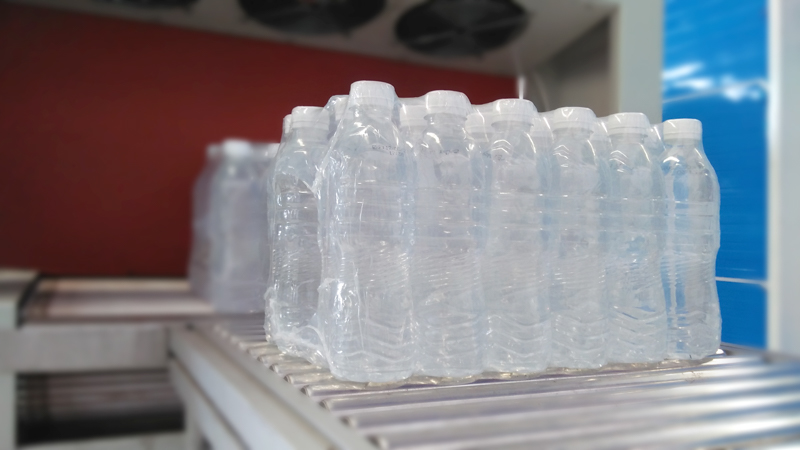
In the beverage industry, shrink film is commonly used for bottled drinks and multipacks, keeping them securely bundled during storage and transportation. Its ability to conform tightly around products makes it ideal for packaging multi-unit beverage packs, such as bottled water, soft drinks, and canned beverages.

Retail and Consumer Goods

For retail and consumer goods, shrink film provides a clear, professional presentation while protecting items from dust, moisture, and tampering. It is frequently used for packaging electronics, cosmetics, personal care products, toys, and household items. The ability to apply branding or tamper-proof seals makes it a preferred choice for e-commerce and retail businesses.

Industrial and Warehouse Industry

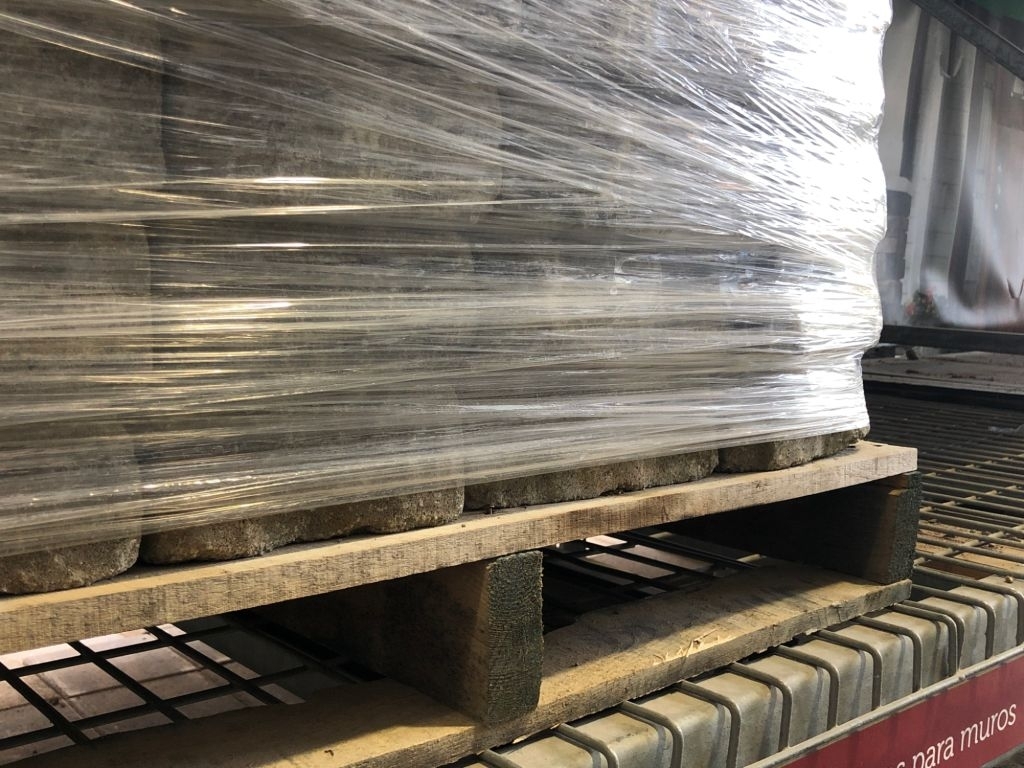
Additionally, shrink film is extensively used in industrial and warehouse packaging for securing palletized goods, hardware, and machinery parts. It helps maintain product integrity, prevents shifting during transportation, and improves warehouse organization. Heavy-duty shrink films, such as polyethylene, provide extra durability and puncture resistance, making them suitable for wrapping large or irregularly shaped items.

Overall, shrink film is an efficient and reliable packaging material for a diverse range of products, offering protection, visibility, and cost-effectiveness in various industries.

The Bottom Line

Finding the right stretch films depends on the kind of business you have and the kind of products you pack.

Now that you are familiar with the various types of stretch wraps available on the market, you should have no issue choosing the right kind of stretch film for your business and products.

For further information, please do not hesitate to get in touch with our specialists.

European Green Deal: the Future of Plastic Packaging Regulation in European Union

bottling factory recycling factory

According to the New European Green Deal, all plastic packaging consumed in the European Union must be recyclable by 2030. According to IndexBox’s estimation, the EU plastic packaging market totals $31billion.

This huge figure will force manufacturers to switch to making plastic packaging suitable for subsequent recycling and multiple reuses.

Meanwhile, in the future, we expect the production of non-recyclable types of packaging to decrease while stricter waste controls could push the plastic packaging market to transform supply chains. 


How We Got Here

In 2010, the EU plastic packaging market grew by 2.6% against 2009, expanding slightly to $25.4billion.

This figure reflects the total revenues of manufacturers and importers minus retail marketing costs, logistics costs, and retailers’ margins, which will be included in the final consumer price.

In comparison with the prominent rate of growth recorded in 2008 when the market increased by 6.6%, the growth record between 2009 and 2010 was a mild downturn. 


In value terms, $25.9billion plastic packaging production was recorded in 2010 estimated at export prices. Over that period under review, the rate of production remained at a lower figure. 

Fast forward to the next decade, the average annual production of plastic packaging, though increased over the decade, further decreased due to the covid-19 pandemic.

According to the latest statistics from Eurostat, the dynamics of plastic packaging production in 2020 was approximately equal to the volume of 2019.  


As we speak, the EU plastic packaging market totals $31billion. In 2010, the countries with the largest plastic packaging markets in the European Union were Germany (1.3million tonnes), Italy (1.3million tonnes), and France (1.1million tonnes).

Altogether, they accounted for 52% of the total market. These countries were followed by Spain, Poland, the Netherlands, Belgium, the Czech Republic, Austria, Lithuania, Portugal, Sweden, and Hungary, which together accounted for further 39%.

From 2007 to 2010, Poland recorded the most notable rate of growth in terms of plastic packaging production, amongst the main producing countries while others experienced modest paces of growth. 


In 2021, the highest plastic packaging production in the EU includes Germany ($4.8billion), France ($4.7billion), and the United Kingdom ($4.2billion). Altogether, they account for 44% of the total production.

Other EU countries like Spain, Italy, Poland, the Netherlands, Belgium, Sweden, Denmark, the Czech Republic, Greece, and Romania followed suit, which together accounted for a further 46%.


Why European Green Deal Regulation?

In recent years, the demand for bulk plastic packaging has increased especially during the pandemic. Hand sanitizers were sold enormously and guess what the bottles are made of – plastics.

Since they are easy to wash and disinfect, the continued popularity was inevitably leveraged by retail packaging. The rise in demand for retail packaging came also a result of the limitations in the HoReCa segment which have led to changes in sales channels.

The pandemic raised an alarm for people to pay attention to hygiene and safety. As a result, people were more conscious of their health as usual. 

During the period of isolation, most restaurants, cafés, shops, and offices began to subscribe to home delivery services that involve the consumption of plastics.

The rise in contactless shopping further led to an increase in the consumption of plastic packaging like plastic bagsstretch films, and containers.

Since consumers are mostly cooking at home, plastic packaging manufacturers saw an opportunity to extend their range of containers to suit different eating and cooking scenarios.

We began to see diverse ranges of plastics in different shapes, dimensions, and sizes, to meet the demand of the market.

The problem this caused was the large amount of carbon dioxide emitted into the atmosphere during the process of recycling plastic packaging. As a result, the European Green Deal was born. 

The European Green Deal aims to reduce greenhouse gas emissions by at least 55% by 2030.

To achieve this, European plastic packaging manufacturers will be forced to use carbon capture technologies in their plants, or research other ways to reduce carbon footprint, and this could lead to higher costs of recyclable plastic packaging.

The Bottom Line

Since plastic containers are incredibly low-cost to produce, lightweight, and easy to wash and disinfect, the need for home food delivery will continue and retail packaging will continue to be relevant.

Therefore, taking into account the development of plastic recycling, we will not expect any radical abandonment of plastic packaging.

Plastic packaging manufacturers had better get prepared to face the New Green Regulation. 

Why Should Your Shipment Be Pallet Wrapped?

Thong Guan right gauging to achieve sustainability goals and lower TCO

Packaging is crucial when transporting goods by trucks, planes and ships to various locations. Factors such as distance, product weight, product volume, product value, and the packaging methodology determine the safety and cost of transportation.

Most shipments are pallet wrapped due to several reasons as discussed in this post. But before we delve in, there is a need to first define the following terms “pallets” and “palletizing”. 

What are pallets?

Pallets are plane structures utilized in commercial and industrial establishments to support goods or containers. They help make the movement of goods easier during cargo transportation. The standard size for a pallet is 120×80 centimeters – they are stacked upon cargos in a process known as pelletizing. 

Defining palletizing

Palletizing is a process of dispatching cargo safely. During this process, cargos are placed on a pallet and fastened with wraps or straps to hold it firm and stabilize its positioning. The purpose of palletizing is to prevent unwanted movements of goods on transportation systems.

The importance of a packing system

Setting up a packing system will ensure:

  • ease for anyone handling the products
  • optimization of space and weight
  • establishment of a standard of protection that will ensure your product is secured and not damaged 

How to build pallets

Palletizing eliminates damage, guarantees a successful voyage, and ensures a professional and timely delivery. If you want to deliver your shipment without hassles, then consider the following methods of building pallets, whether they will be voyaged across the ocean, by air, or land. 

  • The inside of the pallet should be wrapped using a pallet wrapping machine with high-quality shrink wrap a few times while leaving room for the forklift. Do not cut the stretch-wrap but prepare it when you are done stacking. It’s now time for assembling your boxes.

  • Use a flat cardboard slip sheet beneath the load and throughout the layers to help solidify loose boxes and distribute the weight.

  • Align your boxes in columns, laying the heaviest on the bottom, corner-to-corner on the pallet to give additional stacking strength. Avoid interlocking or any irregular layer patterns.

  • Avoid creating a pyramid, always keep the top layer flat to prevent damage from top loads.

  • Do not extend boxes beyond the pallet’s edge else they will get crushed.

  • Aligning the corners of boxes in the gaps between pallet boards could risk damage from the forklift, possibly making it immovable.

  • For added strength, use cardboard corner-boards at each corner of the entire shipment and a final cardboard slip sheet on top.

  • Use pallet stretch film or stretch-wrap you set aside to cover the shipment to stabilize the load.

  • Take note that pallet stretch film only stabilizes the load not fully secure it; hence, use nylon straps or bands to tighten the shipment if you observe the need for extra stability. 

  • Include all necessary documents and affix proper labels to the shipment.

At this point, your shipment is pallet-wrapped and ready to be shipped. Remember to provide guidelines to your packing team to guarantee the safest and easiest handled transit for your freight shipment.

This will help you save cost and help you get your product to your customers undamaged. 

Shipment wrap pallet


Things to know when shipping pallets

The International Organization for Standardization [ISO] has laid down several measures that cater to various aspects of shipping pallets.

  • The most commonly utilized pallet size is 48 inches (breadth) by 40 inches (length) and is commonly used in ships in the Northern American shipping zone

  • In Europe, the sizes of the pallets used measures approximately 40 inches (breadth) by 47 inches (length)

  • The most commonly used pallets in Australia measure 42 inches (breadth) by 42 inches (length)

  • Utilization of inferior materials could result in detrimental shipping, which would affect the reputation and credibility of the shipper and the consignor

  • Wood is the most commonly used material used for shipping pallets. However, various regulations need to be addressed before a wooden pallet is approved for utilization

  • Apart from wood, paper, plastic, and steel are used as viable structures for cargo consignments’ palletizing 

The Bottom Line 

Transporting goods needs proper containerization to keep them safe. Cargo Shipping and Freight Services are dedicated to providing professional goods and cargo consignments using pallets. 

Pallet stretch film is employed to solve issues related to transporting heavy loads, and that is the reason why it is widely used worldwide. For more information, feel free to get in touch with us.

How COVID-19 Impact the Packaging Industry?

Boxes On Conveyor Belt

The coronavirus pandemic has affected each and every industry in one way or another. The packaging industry, especially, has applications in numerous global sectors. Therefore, it is important to study the COVID-19 impact on the packaging industry.

Before the global pandemic, most of the packaging companies and stretch film manufacturers were working to fulfil sustainability goals. However, the pandemic has negatively affected such progress. Packaging companies that were trying to develop and implement modern technology to enhance sustainability and eco-friendliness of the processes now face some serious challenges.

The rising concerns about the hygiene and overall safety of reusable packaging have greatly slowed down the progress of the industry towards adopting modern sustainable solutions. It is easier to understand the impact of the COVID-19 pandemic on the packaging industry by discussing different types of packaging.


a. Transportation Packaging

The increase in the demand for industrial and transportation packaging is associated with the overall economic activities and production levels. During the pandemic, the GDP of most of the countries has seen a sharp decline, which means a significant reduction in packaging demand. However, at the same time, this effect has been offset to some extent by the fact that industrial customers are buying products and containers in huge quantities. 

Similarly, packaging in some industries like food and medical supplies has not declined. In fact, the pharmaceutical industry has seen a huge rise in the packaging requirements due to the massive production of PPEs, face masks, gloves, ventilators, and many other such products. Moreover, increasing demand for corrugated packaging and stretch wraps in the e-commerce industry has made up for the demand lost in other industries. 


b. Consumer Packaging

Due to the closure of hotels, restaurants, and food-service outlets, there has been a sharp decline in the demand for packaging in the food industry. However, a significant majority of the consumers are moving towards grocery purchases, which has increased the packaging demand.

Even at the start of the pandemic, most of the consumers started stockpiling a huge amount of food, beverages, and other necessary items. Yet, the demand for good premium packaging has taken a significant hit as most consumers are avoiding unnecessary expenses. 


c. Healthcare Packaging

The demand for the packaging of healthcare-related products is rapidly rising. Stretch film manufacturers also see a sharp increase in the demand for stretch wraps and other items like flexible blister foils and rigid plastics that have applications in different parts of the healthcare industry. 


d. Future Trend

It is important for the packaging industry and the industrial bags and film manufacturers to be ready for the ramifications of the COVID-19 pandemic in the next months and even years because it will take a significant amount of time to get this global pandemic under control. The crude oil prices are falling due to the pandemic, and hence, the cost of oil-based raw materials like plastic resins will also decline. 

Moreover, border closures are creating certain challenges to the packaging companies because it has disturbed the entire global supply chain. There is a lot of uncertainty about this entire crisis. As a result, the actions of different governments can be quite unpredictable, due to which the packaging demand is also expected to remain disturbed in the foreseeable future.  


Recommendations

Now that you have become familiar with the COVID-19 impact on the packaging industry, it is highly important that the companies and manufacturers make the right strategies to sail through this global pandemic.

It is highly important that stretch film manufactures and other packaging companies rely on authentic and reliable information to make useful risk mitigation strategies. For this purpose, the packaging industry should consider creating a united crisis-response centre that will analyze the available information and recommend efficient strategies for the benefit of all stakeholders.

The primary goal of the industry should be to protect the health and safety of the employees. As a result, it is important that packaging manufacturers reevaluate their production and manufacturing techniques. Moreover, the companies must understand the disruptions in the global supply chain to avoid the adverse impacts of the pandemic. 


The Bottom Line

Certain aspects of the packaging industry have definitely taken a hit during the pandemic. It is important that the leadership teams in this industry develop effective recovery strategies.

Such strategies include making comprehensive financial plans, operational plans, and any important changes that have to be made at the production to restart manufacturing activities.

Ultimately, with such strategies, the impact of the COVID-19 pandemic on the packaging industry can be mitigated to a great extent.